Blog
The Full Film Experience at Orms
Share this article:
Shoot ● Develop ● Print
Film photography isn’t just a trend, it’s a comeback. In a world of viewing photos instantly and instant edits, film brings back intention, patience and a kind of magic that you can’t fake.
At Orms, you can experience the full journey of film photography, from choosing your camera and film, to developing, scanning and printing your images. Here’s how to get started.
Start with a Film camera
Film photography isn’t just a trend, it’s a comeback. In a world of viewing photos instantly and instant edits, film brings back intention, patience and a kind of magic that you can’t fake.
At Orms, you can experience the full journey of film photography, from choosing your camera and film, to developing, scanning and printing your images. Here’s how to get started.
The first step of your film journey is choosing your camera. Whether you’re just getting into film or looking to expand your kit, Orms has a curated range of 35mm film cameras to suit every level.
Loading & Handling the Camera
Not sure how to load your camera? We’ve got you covered. Simply bring your camera into the Orms photo lab and one of our experienced consultants will walk you through the loading process step by step or load it for you. The same goes for when you’ve finished shooting. If you’re unsure how to safely remove your roll, bring it in and we’ll take care of it. No question is too small, and no one should miss out on a great shot because of a technicality.
Advance the film properly. After loading, make sure you wind the film on until it’s taut and the rewind knob is turning as you advance. If it’s not turning, the film isn’t loaded correctly.
Never open the camera mid-roll, unlike digital, there’s no undo. Opening the camera back will expose and destroy every shot on the roll.
Taking Shots
Slow down and be deliberate, a standard 35mm roll gives you just 36 exposures. That limitation is actually a gift; it forces you to think before you shoot, which makes you a better photographer.
Shoot in good light to start. Film is less forgiving in tricky lighting conditions than a modern digital sensor. As a beginner, overcast days and golden hour are your best friends.
Bracket your exposures, if you’re unsure about the correct exposure for a shot, take the same shot at different settings (one stop under, correct, one stop over). It uses more frames but saves important shots.
Get closer than you think. One of the most common beginner mistakes across any kind of photography. Filling the frame with your subject almost always produces a stronger image.
Keep notes on your shots. Jot down what settings you used and in what conditions. When you get the roll back, you’ll be able to learn from what worked and what didn’t.
Disposable film cameras are the perfect grab and go option. The cameras are pre-loaded with film, have a built-in flash and are ideal for holidays, parties and weddings or just documenting your everyday life without any pressure. Once you have finished the roll, simply drop the camera off at Orms for processing. A disposable camera is the perfect starting point to your film journey.

Entry level reusable point and shoot cameras are perfect for beginners too. They are lightweight, compact, have aesthetic designs, user-friendly and allow you to capture moments without having to worry about camera settings
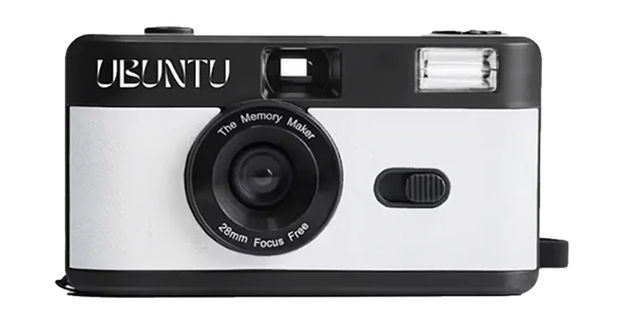
Higher-end cameras such as Pentax and Leica provide full creative control, allowing you to adjust the focus and exposure. Perfect for photographers who want to creatively immerse themselves in the craft.
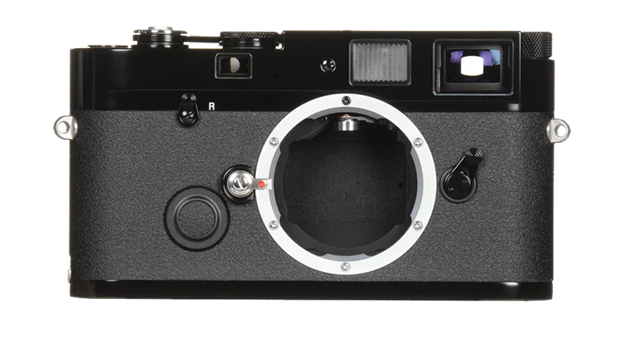
Prices range from accessible beginner options to premium collector pieces, making film photography something anyone can get into, whether you’re experimenting for the first time or investing in a long-term creative tool.
Choosing your film (this is where the look comes from)
Film stock is the element that provides personality to your images. It’s like choosing your colour grading before you even start shooting.
At Orms, you will find a wide range of 35mm and 120 film, each offering its own distinct look and feel:
Check the expiry date. Expired film can still be used creatively, but beginners should start with fresh stock for predictable results. Expired film can produce grain, colour shifts and light leaks. Buy a test roll first. Before committing to a bulk buy of a specific film stock, shoot one roll to see if you actually like the look it produces. Store film correctly, unused film should be kept in a cool, dry place, ideally in the fridge. Heat degrades film quickly and can ruin a roll before you’ve even loaded it.
Kodak Gold 200 is known for its warm, golden tones and soft contrast, this is a must for sunny days, travel and everyday moments. The classic nostalgic look is achieved instantly.
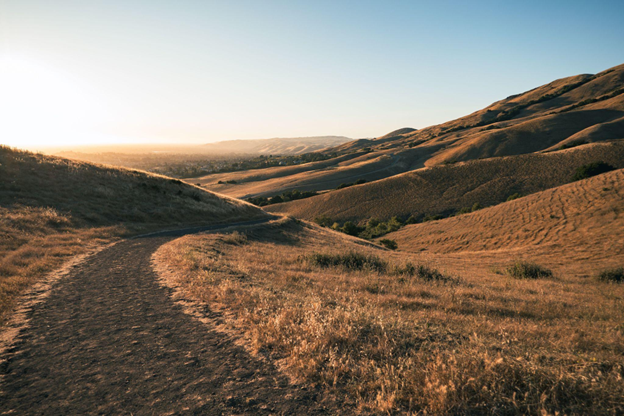
Fujifilm 200 is a balanced and beginner friendly film with natural colour reproduction and showcases slightly cooler tones. It is extremely versatile which is perfect for everything from street photography to casual photos.

Ilford Delta 100 Professional (120 format) is a black and white film that illustrates exceptional sharpness and detail. With its smooth range in tone and clean contrast, it is ideal for portraits, landscapes and fine art photography. Black and white film is also available in 35mm such as Ilford HP5 Plus Black and White Negative Film

Develop and scan your film at Orms
Once the roll is complete, the excitement begins. At Orms, you can get your film professionally developed and receive high-quality digital scans as well as choosing various scanning resolutions.
Getting the Roll Developed
Don’t leave exposed rolls sitting around, once a roll is finished, get it developed sooner rather than later. Latent images on exposed film can fade or shift in colour over time.
Ask about scanning resolution upfront. If you plan to print large or edit digitally, ask for high-resolution scans. Lower resolution scans are fine for social media but won’t hold up for print.
Keep your negatives, even after scanning, hold onto the physical negatives. They’re the original file, and you can always re-scan them later at a higher resolution.
Orms processes black and white film by hand. Formats include 35mm,120mm and 4 x 5. Colour film is developed with a C41 machine process Formats include 35 mm, 110 mm & 120 mm.
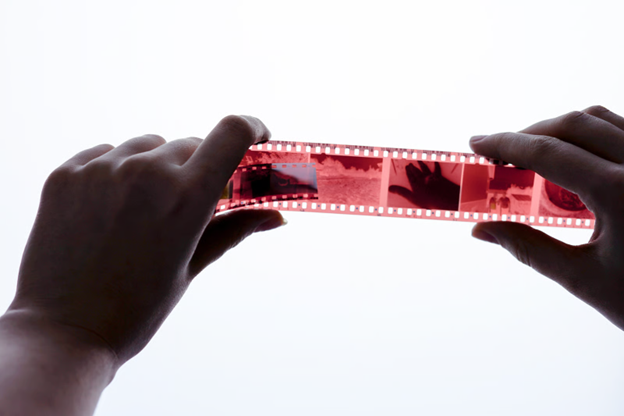
Embrace the imperfections – light leaks, grain, slightly soft focus. These aren’t always failures. Many of the film’s most beloved qualities come from its unpredictability. Expect a learning curve, your first few rolls may disappoint you, and that’s completely normal. Film photography rewards patience and repetition
Why experience the feeling of film at Orms?
Orms offers the complete ecosystem. Buy your camera, choose your film, develop, scan and print your images to share with your friends. All in one place, with people who love and understand photography.